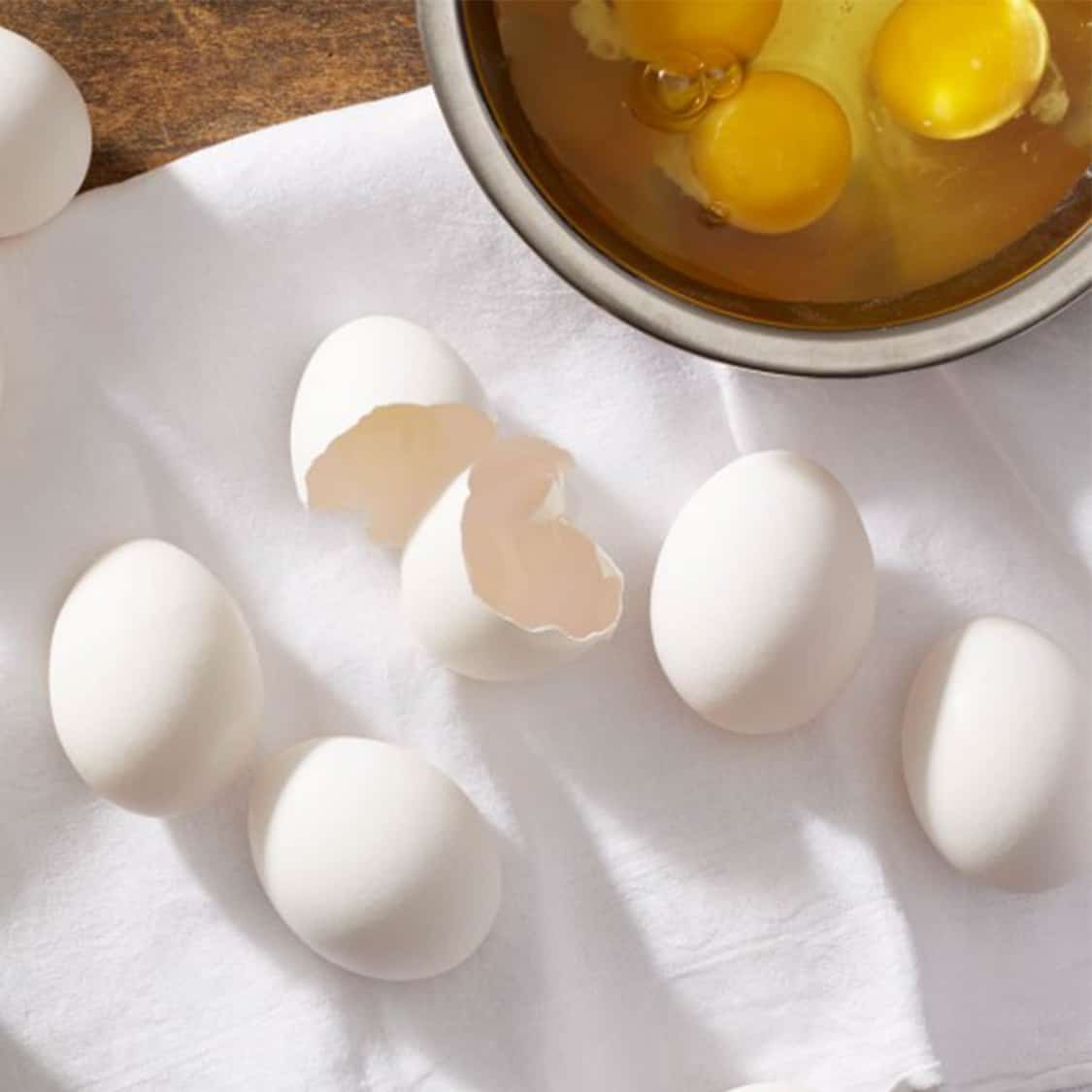
How To Freeze Eggs For Up To A Year & Save Money
In recent times, a trip to the grocery store often comes with a surprising reality: eggs, once a staple readily available and affordable, are now frequently scarce and carry a significantly higher price tag. Whether it's due to supply chain disruptions, the ongoing impact of avian influenza, or other market forces, consumers across the U.S. have witnessed egg prices soar. Reports from the U.S. Bureau of Labor and Statistics showed prices climbing by over 20 percent in just a few months, and by more than 35 percent year over year in some periods, with a dozen eggs sometimes costing as much as $12. This shift makes smart budgeting and food preservation more important than ever. Fortunately, there's a simple, effective solution that can help you stock up, save money, and ensure you always have eggs on hand: freezing them.
Why Freeze Eggs? A Smart Solution to Rising Costs
The idea of freezing eggs might sound unconventional if you've never done it, but it’s a time-tested method for extending their shelf life far beyond the few weeks they last in the refrigerator. In an era of unpredictable supply and escalating costs, knowing
how to freeze eggs correctly can be a game-changer for your wallet and your pantry. Freezing allows you to take advantage of sales or bulk purchases, ensuring you have a steady supply even when fresh eggs are hard to come by or prohibitively expensive. This isn't just about saving a few dollars; it's about building resilience in your kitchen and reducing food waste. Done right, frozen eggs can remain perfectly usable for up to a year, offering incredible flexibility and peace of mind.
Preparing Eggs for the Freezer: Whole, Whites, or Yolks?
One of the most common questions I get is, "Can you freeze eggs?" The answer is a resounding yes! However, you can't simply toss them into the freezer in their shells. The liquid inside expands when frozen, causing the shells to crack and potentially exposing the egg to bacteria. The trick is to remove them from their shells and prepare them in a way that suits your future culinary needs. You have three main choices: freezing whole eggs, separated egg whites, or separated egg yolks. Each method has its own benefits and considerations.
Freezing Whole Eggs: Your Versatile Option
Freezing whole eggs is incredibly convenient for most cooking and baking applications where you need the full egg. There are a couple of ways you can approach this, depending on how you typically use eggs:
-
For Individual Servings (One Egg at a Time): If you often find yourself needing just one or two eggs for breakfast or a small recipe, ice cube trays are your best friend. Simply crack a whole egg into each compartment of a clean ice cube tray. You can lightly whisk them if you prefer, but it’s not strictly necessary at this stage. Once frozen solid, pop the individual egg cubes out and transfer them to a larger freezer-safe container or a heavy-duty freezer bag. This way, you can easily grab the exact number of eggs you need, keeping the rest perfectly preserved. This is precisely how I freeze eggs when I want maximum flexibility for everyday cooking.
-
For Larger Batches (Two or More Eggs): When you know you'll be using multiple eggs together for baking a cake, making a quiche, or preparing scrambled eggs for the family, you can freeze several together. Crack the desired number of eggs into a freezer-safe container. Gently beat them just enough to combine the yolks and whites thoroughly. The goal here is to break up the yolk and ensure an even mixture, but avoid whisking too vigorously, as you don't want to incorporate too much air.
A Crucial Tip for Whole Eggs (and Yolks): Preventing Gelatinization
When yolks freeze, their texture can become thick and gelatinous upon thawing, which can be less than ideal for some dishes. To combat this, a little addition goes a long way:
*
For Savory Dishes: Add 1/2 teaspoon of salt per cup of eggs (approximately 4-5 large eggs).
*
For Sweet Dishes/Baking: Add 1 and 1/2 tablespoons of sugar per cup of eggs.
Always remember to clearly label your container with the date, the number of eggs, and whether you've added salt or sugar. This will help you adjust your recipe accordingly when you thaw them.
Freezing Egg Whites: The Baker's Best Friend
Egg whites freeze exceptionally well without any special additions, making them ideal for recipes like meringues, angel food cakes, or soufflés. If you often find yourself with leftover egg whites after making custards or hollandaise, this is the perfect solution.
Simply separate the whites from the yolks, pour them into an ice cube tray (each compartment typically holds one large egg white) or a freezer-safe container. Once frozen, transfer the cubes or block of whites to a freezer bag, ensuring you label it with the date and the number of whites inside.
How I freeze eggs for baking is often by separating them this way; it's incredibly convenient to have pre-portioned whites ready for a recipe.
Freezing Egg Yolks: A Little Extra Care Goes a Long Way
While egg whites are straightforward, freezing egg yolks requires a bit more attention to maintain their texture. As mentioned, yolks can become thick and gelatinous when frozen raw and unadulterated. The same salt or sugar trick applies here to prevent this undesirable texture change.
Separate the yolks from the whites. For every four large egg yolks, add either 1/4 teaspoon of salt (for savory uses like mayonnaise or custards) or 1 teaspoon of sugar (for sweet applications such as crème brûlée or pastry creams). Gently whisk the yolks with the chosen additive until well combined. Pour the mixture into ice cube trays or small freezer-safe containers and freeze. Again, clear labeling with the date, quantity, and whether salt or sugar was added is absolutely essential.
Practical Tips for Freezing and Thawing Eggs
Beyond the initial preparation, there are a few more pro tips to ensure your frozen egg adventure is a success. To truly
freeze eggs the right way, consider these points:
*
Choose the Right Containers: Freezer-safe containers with airtight lids, heavy-duty freezer bags, and ice cube trays are all excellent choices. Make sure whatever you use is designed to withstand freezing temperatures without cracking.
*
Label Everything: This cannot be stressed enough! Always label your containers with the date of freezing, the number of eggs (or whites/yolks), and any additions (salt or sugar). This prevents guesswork and ensures you use the oldest eggs first, maintaining quality.
*
Thawing Safely: The safest way to thaw frozen eggs is slowly in the refrigerator overnight. Avoid thawing them at room temperature, as this can encourage bacterial growth. Once thawed, use the eggs within 24 hours.
*
Using Thawed Eggs: Thawed eggs are best used in dishes where they will be thoroughly cooked. They are perfect for scrambling, baking, casseroles, quiches, and omelets. While perfectly safe, their texture may be slightly different from fresh eggs, making them less ideal for dishes where texture is paramount, like fried or poached eggs.
*
Measuring Thawed Eggs: Generally, one frozen whole egg cube equals one large fresh egg. For whites or yolks, you'll have labeled the quantity, making it easy to measure for your recipes.
*
Shelf Life: Properly frozen eggs, whether whole, whites, or yolks, can be stored in the freezer for up to one year. For best quality, try to use them within 9 months.
Conclusion
Freezing eggs is a remarkably simple yet incredibly effective way to combat rising grocery costs, reduce food waste, and ensure you always have this versatile ingredient on hand. By following these straightforward steps, from carefully preparing your eggs (whether whole, separated whites, or yolks) to properly labeling and thawing them, you can confidently preserve your eggs for up to a year. So, the next time you see a good deal on eggs, or simply want to extend the life of your current carton, remember that your freezer is a powerful tool for smart, economical kitchen management. Embrace the power of freezing, and you’ll always be ready to cook or bake, no matter the market conditions.