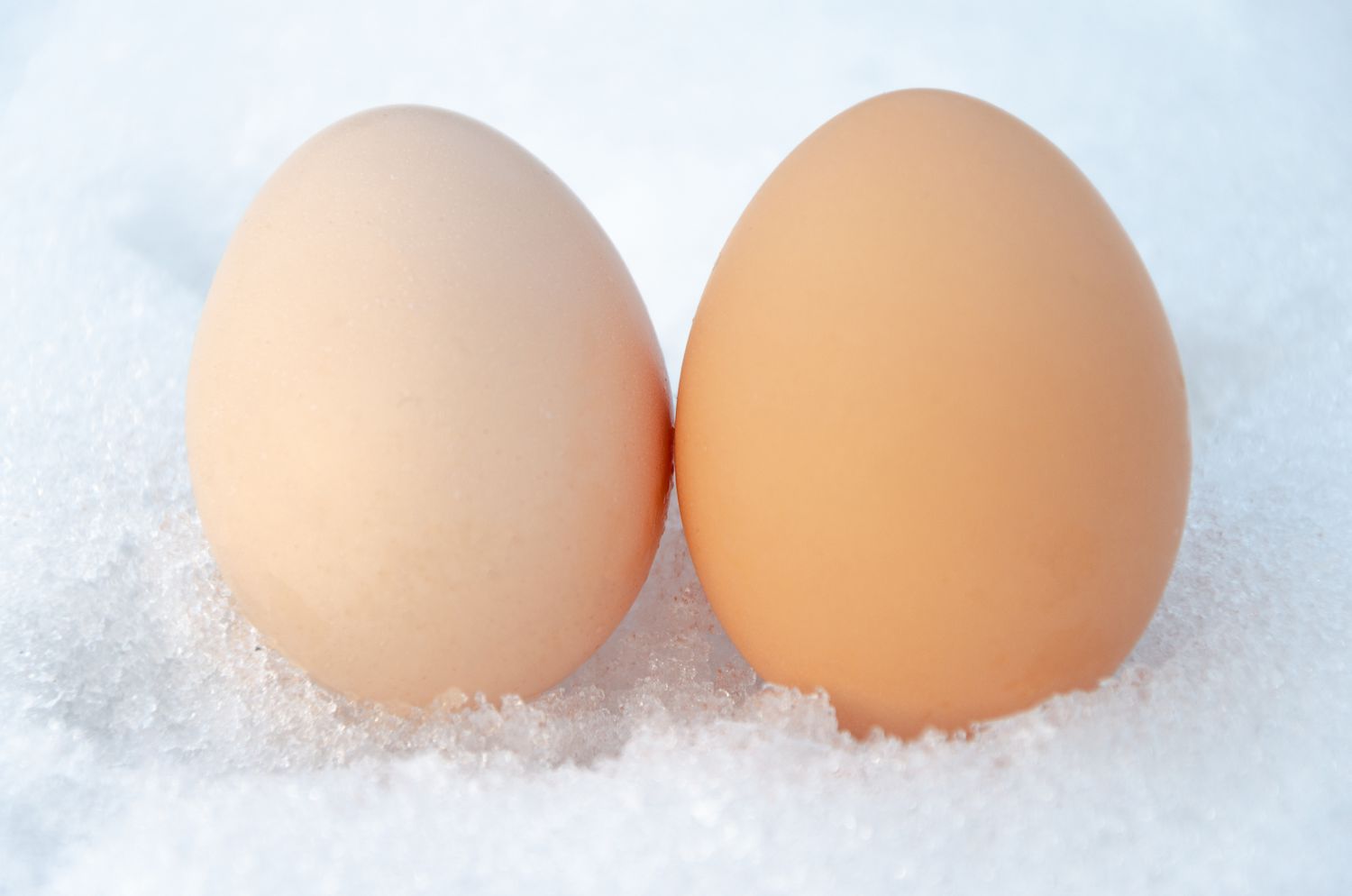
Unlock Your Freezer's Potential: Freeze Eggs The Right Way Amid Shortages
If your recent trips to the grocery store have left you frustrated by a scarcity of eggs and skyrocketing prices, you're not alone. The ongoing challenges, primarily fueled by factors like the bird flu crisis, have sent egg prices soaring. The U.S. Bureau of Labor and Statistics reported significant price increases, with average prices rising over 20% in a short span in late 2024, and consumers in some areas facing costs of up to $1 per egg. Experts don't foresee an immediate improvement, making smart preservation strategies more crucial than ever.
Fortunately, there's a surprisingly simple and effective solution to ensure you always have eggs on hand: freezing them. While many people are unaware that eggs can be frozen, or are hesitant due to misconceptions, when done correctly, freezing fresh eggs can extend their usability for up to a year, allowing you to stock up when prices are lower and availability is higher. It's a game-changer for budget-conscious cooks and bakers alike.
Why Freezing Eggs is a Smart Move
Freezing eggs might sound unusual if you've only ever kept them in the refrigerator, where they last a few weeks at best. However, it's an excellent method for long-term preservation, offering several compelling advantages, especially in today's unpredictable market:
- Cost Savings: Buy eggs in bulk or when they are on sale, then freeze them to lock in lower prices. This significantly beats high egg prices in the long run.
- Combat Shortages: Never run out of eggs again. Having a freezer stash means you're prepared for unexpected supply chain issues.
- Reduce Waste: If you have an abundance of fresh eggs (perhaps from backyard chickens or a large purchase), freezing prevents them from spoiling before you can use them.
- Convenience: Pre-portioned frozen eggs can be incredibly convenient for quick meals or baking, saving you time when you need just one or two eggs.
- Extended Shelf Life: Properly frozen eggs can last for up to 12 months, far exceeding the refrigerated shelf life. For a deeper dive into extending egg life, check out How To Freeze Eggs For Up To A Year & Save Money.
It’s important to note that you cannot freeze eggs in their shells. The liquid inside expands when frozen, causing the shell to crack and exposing the egg to bacteria. Always remove them from their shells before freezing.
How I Freeze Eggs: A Step-by-Step Guide for Every Need
The beauty of freezing eggs is its versatility. You can freeze whole eggs, egg whites, or egg yolks separately, depending on how you plan to use them. The preparation method is key to maintaining quality upon thawing. Here's a comprehensive guide to how i freeze eggs for various purposes:
Freezing Whole Eggs
Freezing whole eggs is perfect for dishes like scrambled eggs, omelets, quiches, or most baking recipes. The method you choose depends on your typical usage patterns.
-
For Individual Portions (One Egg at a Time):
If you often need just one egg, an ice cube tray is your best friend. This method allows for easy portion control.
- Crack and Pour: Crack one fresh egg into each compartment of a clean ice cube tray.
- Cover and Freeze: Cover the tray tightly with plastic wrap to prevent freezer burn and odor absorption. Place in the freezer until solid, typically 4-6 hours.
- Transfer: Once fully frozen, pop the individual egg cubes out of the tray.
- Store: Transfer the frozen egg cubes into a larger freezer-safe airtight container or heavy-duty freezer bag. Squeeze out as much air as possible if using a bag.
- Label: Label the container with the date and the number of eggs per cube (e.g., "1 whole egg per cube, Jan 2025"). This is crucial for tracking freshness and quantity.
This method allows you to easily grab exactly how many eggs you need without thawing a larger batch.
-
For Multiple Eggs (Two or More):
If you frequently use several eggs for baking or larger cooking projects, freezing them together in a single container is more efficient.
- Crack and Combine: Crack the desired number of eggs (e.g., 4-6) into a freezer-safe container. Ensure the container has enough headspace for expansion.
- Gently Beat: With a fork, gently beat the eggs just enough to break the yolks and mix them with the whites. The goal is to achieve a uniform consistency without incorporating too much air, which can affect texture upon thawing.
- Add Stabilizer (Optional but Recommended): This step is vital to prevent yolks from becoming gelatinous or gummy when frozen.
- For Savory Dishes: Add 1/2 teaspoon of salt for every cup of eggs. This works well for omelets, scrambled eggs, or quiches.
- For Baking/Sweet Dishes: Add 1 and 1/2 tablespoons of sugar for every cup of eggs. This is ideal for cakes, cookies, or custards.
Thoroughly mix in the salt or sugar until dissolved. This additive helps stabilize the yolk proteins, maintaining a better texture after thawing.
- Cover and Freeze: Securely cover the container with an airtight lid or plastic wrap, pressing it directly onto the surface of the egg mixture to minimize air exposure. Freeze until solid.
- Label: Label clearly with the date, the number of eggs, and whether you added salt or sugar. This will help you adjust your recipes accordingly. For example: "6 whole eggs + sugar, Mar 2025."
Freezing Egg Whites
Egg whites freeze exceptionally well, even without any additives, making them perfect for meringues, soufflés, frostings, or angel food cake. They retain their whipping quality beautifully.
- Separate: Carefully separate the egg whites from the yolks, ensuring no yolk traces contaminate the whites (which can prevent them from whipping properly).
- Portion: Pour the egg whites into ice cube trays (each cube typically holds 1-2 whites) or into freezer-safe containers. You can also freeze larger quantities together.
- Cover and Freeze: Cover the tray or container and freeze until solid.
- Transfer and Store: Once frozen, transfer individual white cubes to a freezer bag or consolidate larger portions into an airtight container.
- Label: Label with the date and the number of egg whites (e.g., "2 egg whites per cube, Apr 2025").
Freezing Egg Yolks
Freezing egg yolks requires a little more attention due to their tendency to become very thick and gelatinous when frozen untreated. The key is to add a stabilizer.
- Separate: Carefully separate the yolks from the whites.
- Add Stabilizer: For every four egg yolks, gently beat in either 1/4 teaspoon of salt (for savory dishes like custards or mayonnaise) OR 1 and 1/2 teaspoons of sugar or corn syrup (for sweet dishes like pastry creams or baking). This breaks down the gel-forming proteins.
- Mix Thoroughly: Ensure the stabilizer is completely dissolved and evenly distributed.
- Portion: Pour the treated yolks into ice cube trays or small freezer-safe containers.
- Cover and Freeze: Cover and freeze until solid.
- Transfer and Store: Transfer the frozen yolk portions to an airtight container or freezer bag.
- Label: Label precisely with the date, number of yolks, and whether salt or sugar/syrup was added (e.g., "4 yolks + salt, May 2025"). This is crucial for successful use later.
Thawing and Using Frozen Eggs
Proper thawing is just as important as proper freezing for optimal results.
- Thawing Method: Always thaw frozen eggs in the refrigerator overnight. For quicker thawing, you can place the sealed container or bag in a bowl of cold water, changing the water every 30 minutes until thawed. Never thaw at room temperature, as this can encourage bacterial growth.
- Texture After Thawing: Thawed whole eggs or yolks (even with stabilizers) might appear slightly thicker or have a slightly different texture than fresh eggs. This is normal. A quick whisk can usually restore a more uniform consistency.
- Usage: Use thawed eggs as you would fresh eggs in most recipes. However, they are generally best suited for scrambled eggs, omelets, quiches, casseroles, or baking. They might not be ideal for dishes where the texture of a perfectly fried or poached egg is paramount, as the freezing process can slightly alter the delicate structure.
- Shelf Life After Thawing: Thawed eggs should be used within 24-48 hours and should never be refrozen.
Conclusion
Freezing eggs is a practical, cost-effective, and surprisingly simple way to manage egg shortages and high prices. By understanding the correct techniques for freezing whole eggs, whites, and yolks—including the crucial step of adding stabilizers for yolks—you can effectively preserve fresh eggs for up to a year. This allows you to stock up strategically, reduce food waste, and enjoy the convenience of always having this versatile ingredient at your fingertips. Embrace your freezer as a powerful tool in your kitchen, and you'll find yourself better prepared for whatever the grocery aisle throws your way.
