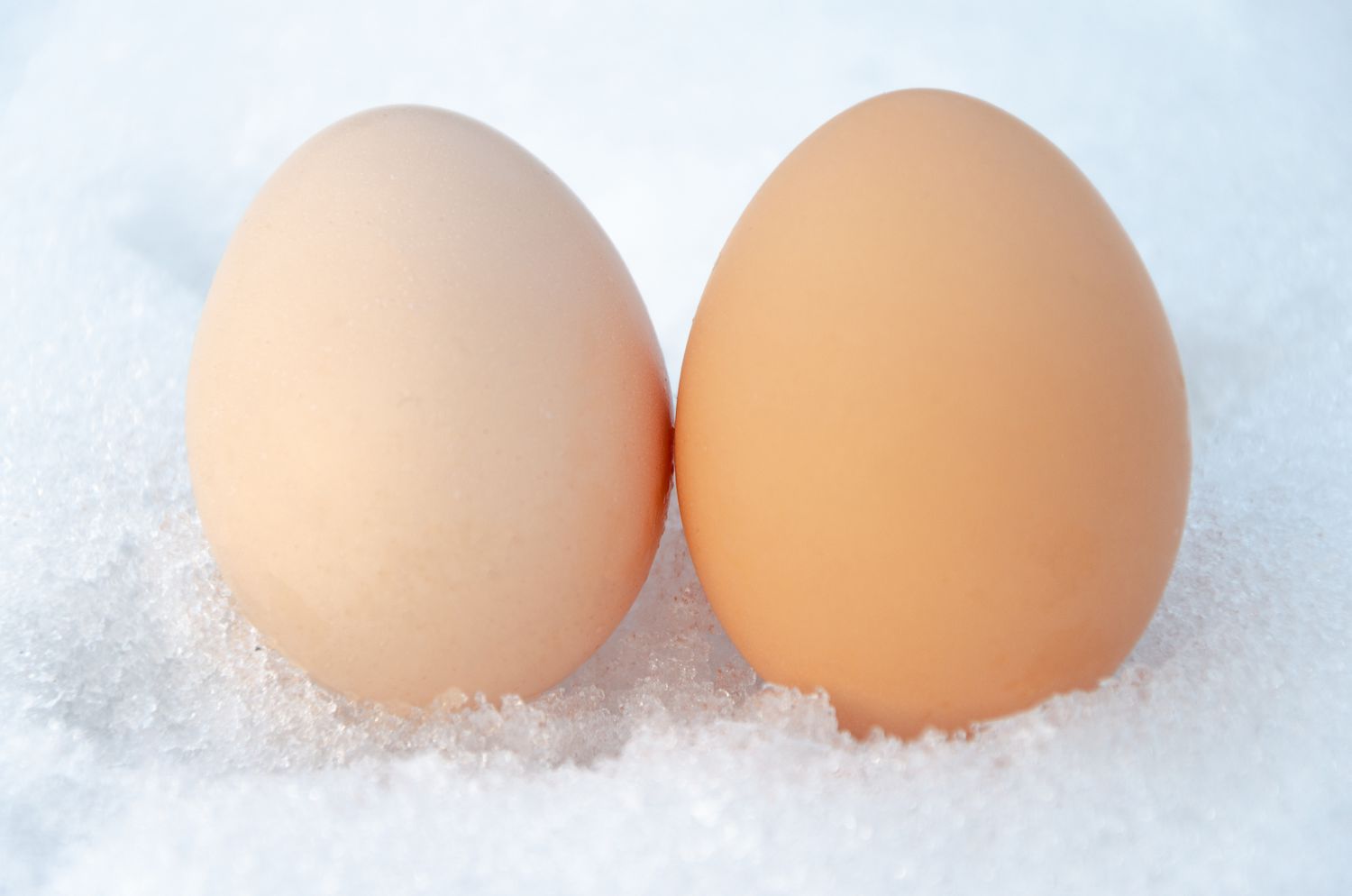
Beat High Egg Prices: Your Guide to Freezing Eggs
The cost of a dozen eggs has soared, transforming a grocery staple into a luxury for many. If you've felt the pinch at the checkout or stared at empty shelves, you're not alone. The ongoing bird flu crisis has led to significant supply shortages and steep price hikes, with experts predicting the situation won't improve anytime soon. But what if there was a simple, effective way to combat these challenges, ensuring you always have eggs on hand without breaking the bank? There is! The secret lies in your freezer.
Many people are surprised to learn that fresh eggs can be preserved for up to a year—but only if done correctly. Freezing eggs might sound unusual, but it's a game-changer for savvy consumers looking to stretch their dollar and maintain a well-stocked pantry. Instead of letting those precious eggs go bad in the fridge after a few weeks, learning
how I freeze eggs has become my go-to strategy for beating the price surge and keeping my kitchen running smoothly.
Why Freezing Eggs is Your Smartest Move Right Now
The recent volatility in egg prices is unprecedented. Data from sources like the U.S. Bureau of Labor and Statistics illustrates a dramatic increase, with prices jumping over 20% in just a couple of months and more than 35% year-over-year in some regions. Consumers are reporting average costs soaring to $1 per egg or even $12 per dozen in certain cities. This isn't just a minor inconvenience; it's a significant strain on household budgets.
Fortunately, you have a powerful tool at your disposal: your freezer. While eggs typically last only a few weeks in the refrigerator, freezing them correctly can extend their usability for many months, sometimes up to a full year. It’s an ingenious way to capitalize on sales or stock up when you find eggs at a reasonable price, providing peace of mind against future shortages and cost increases. Don't let the "strange idea" factor deter you; when done right, frozen eggs are a perfectly viable and convenient ingredient for countless recipes. For more detailed insights into saving money with this method, check out our guide on
How To Freeze Eggs For Up To A Year & Save Money.
Mastering the Art of Freezing Whole Eggs
When it comes to freezing whole eggs, you have a couple of excellent options, depending on how you typically use them. The key is to remove them from their shells first, as whole eggs in their shells will crack and become unusable when frozen.
Method 1: Freezing Individual Whole Eggs for Portion Control
If you often find yourself needing just one or two eggs at a time, such as for a quick breakfast or a small baking recipe, the ice cube tray method is ideal.
- Crack and Pour: Simply crack a fresh egg into each section of a clean ice cube tray.
- Cover and Freeze: Cover the tray (with plastic wrap or a lid) to prevent freezer burn and cross-contamination, then place it in the freezer until the eggs are completely solid. This usually takes a few hours.
- Transfer for Storage: Once frozen through, pop the individual egg cubes out of the tray and transfer them to a larger, freezer-safe airtight container or a heavy-duty freezer bag.
This method allows you to easily grab the exact number of eggs you need, keeping the rest perfectly preserved. It’s one of the easiest ways
how I freeze eggs for everyday use.
Method 2: Freezing Multiple Whole Eggs Together
For those who frequently use two or more eggs in recipes like scrambles, frittatas, or larger baking projects, freezing several eggs together in one container can be more efficient.
- Crack and Beat Gently: Crack the desired number of eggs into a freezer-safe container. Using a fork or whisk, gently beat them just enough to combine the yolks and whites. The goal is to break up the yolk and ensure an even mixture without incorporating too much air, which can affect texture.
- The Secret Ingredient: Salt or Sugar: This step is crucial for whole eggs. Egg yolks tend to become gelatinous and thick when frozen, leading to an undesirable texture upon thawing. To counteract this, you need to add a small amount of salt or sugar before freezing.
- For Savory Dishes: Add 1/2 teaspoon of salt for every cup of beaten eggs (approximately 4-5 large eggs).
- For Baking/Sweet Dishes: Add 1 and 1/2 tablespoons of sugar for every cup of beaten eggs.
This small addition helps to stabilize the yolk and maintain a smoother texture.
- Label Meticulously: Always label your container with the number of eggs, the date frozen, and *crucially* whether you added salt or sugar. This will prevent any surprises when you're ready to use them and allow you to adjust your recipe accordingly.
- Freeze Solid: Seal the container tightly and freeze until solid.
How to Freeze Egg Whites for Baking and Beyond
Egg whites are perhaps the easiest part of the egg to freeze, as they don't suffer from the same gelatinous texture changes that yolks do. This makes them perfect for those recipes that call for whites only, such as meringues, soufflés, or angel food cake.
- Separate Carefully: Gently separate the whites from the yolks, ensuring no yolk traces contaminate the whites. Even a tiny bit of yolk can prevent egg whites from whipping up properly.
- Portion and Freeze: You can freeze egg whites individually in ice cube trays (each cube typically holds about one large egg white) or pour multiple whites into a freezer-safe container or freezer bag. When using a container, leave a little headspace for expansion.
- No Additives Needed: Unlike yolks, egg whites do not require any salt or sugar for texture preservation.
- Label and Store: Label with the number of whites and the date. Once frozen solid, transfer individual cubes to a larger storage bag or keep the container sealed.
Frozen egg whites are incredibly versatile and can save you from discarding leftover whites after making recipes that only use yolks.
Preserving Egg Yolks: A Careful Approach
Freezing egg yolks requires a bit more care due to their susceptibility to becoming thick and gummy. However, with the right technique, you can successfully preserve them for enriching sauces, custards, or hollandaise.
- Separate and Treat Immediately: Separate the yolks from the whites. It's important to treat the yolks right away to prevent them from drying out or forming a skin.
- The Essential Additive: Just like with whole eggs, yolks *must* have salt or sugar added to prevent them from turning into an unusable gel-like substance when frozen and thawed.
- For Savory Dishes: Whisk in 1/2 teaspoon of salt per cup of egg yolks.
- For Sweet Dishes/Baking: Whisk in 1 and 1/2 tablespoons of sugar per cup of egg yolks.
(Approximately 6 large egg yolks make up one cup.)
- Portion and Freeze: Pour the treated yolks into ice cube trays for individual portions, or into small freezer-safe containers. Each cube or container should be clearly labeled with the number of yolks, the date, and whether salt or sugar was added.
- Freeze Solid: Freeze until firm, then transfer to a larger freezer bag or keep in the sealed container.
Thawing and Using Your Frozen Eggs Effectively
Once you’ve mastered the freezing process, knowing how to thaw and use your preserved eggs is equally important to ensure they perform well in your recipes.
- Thaw in the Refrigerator: The safest and best way to thaw frozen eggs (whether whole, whites, or yolks) is slowly in the refrigerator overnight. Avoid thawing at room temperature, as this can encourage bacterial growth.
- Measuring Equivalencies:
- One frozen whole egg cube (from an ice cube tray) typically equates to one fresh large egg.
- Approximately 3 tablespoons of thawed, beaten whole egg is equivalent to one large fresh egg.
- One frozen egg white cube (from an ice cube tray) equals one large fresh egg white.
- One frozen egg yolk cube (from an ice cube tray) equals one large fresh egg yolk.
- Usage Considerations:
- Whole Eggs: Thawed whole eggs are excellent for scrambling, omelets, baking (cakes, muffins, cookies), and casseroles. They are generally not recommended for recipes where egg texture is paramount, such as delicate frying (fried eggs) or hard-boiling, as freezing can alter the texture slightly.
- Egg Whites: Thawed egg whites whip up just like fresh ones, making them perfect for meringues, soufflés, and angel food cakes.
- Egg Yolks: Thawed yolks, especially those treated with salt or sugar, are great for custards, sauces (like hollandaise or béchamel), or enriching doughs.
- Shelf Life After Thawing: Once thawed, use your frozen eggs within 2-3 days, treating them as you would fresh eggs.
By following these thawing and usage guidelines, you can seamlessly integrate your frozen egg stash into your daily cooking and baking routines. For more ways to prepare for market fluctuations, refer to our article:
Freeze Eggs The Right Way: Stock Up Amid Shortages.
Essential Tips for Successful Egg Freezing
To maximize your success and enjoyment of frozen eggs, keep these practical tips in mind:
- Label Everything: This cannot be stressed enough. Always label your containers or bags with the date of freezing, the quantity of eggs (e.g., "4 whole eggs," "6 egg whites," "3 yolks"), and any additions (e.g., "with salt" or "with sugar"). This prevents guesswork and ensures proper recipe adjustments.
- Use Fresh Eggs: Only freeze eggs that are fresh and well within their expiration date. The quality of the frozen product directly correlates with the freshness of the original egg.
- Freezer-Safe Containers: Always use airtight, freezer-safe containers or heavy-duty freezer bags to prevent freezer burn and absorb odors from other freezer items. If using bags, squeeze out as much air as possible before sealing.
- Mind the Fill Line: When freezing liquids, leave a little headspace in rigid containers (about half an inch) to allow for expansion as the liquid freezes.
- Understand Texture Changes: While adding salt or sugar mitigates the issue, all frozen eggs may exhibit a slightly different texture than fresh eggs once thawed. They are still perfectly safe and delicious for most applications but might not be ideal for recipes where a pristine, runny yolk or perfectly firm fried egg is desired.
Freezing eggs is a practical, economical, and incredibly effective strategy for managing high prices and potential shortages. By following these simple steps, you can confidently build your egg reserves, ensuring you always have this versatile ingredient on hand. Embrace this smart kitchen hack, and say goodbye to egg price anxiety!